June 2026
Digital Labels Erode Consumer Trust
Published by Eric Le Tai
How Digital Labels Are Quietly Eroding Consumer Trust
At the end of the day it comes down to one thing — trust. Right now, that trust is being quietly spent.
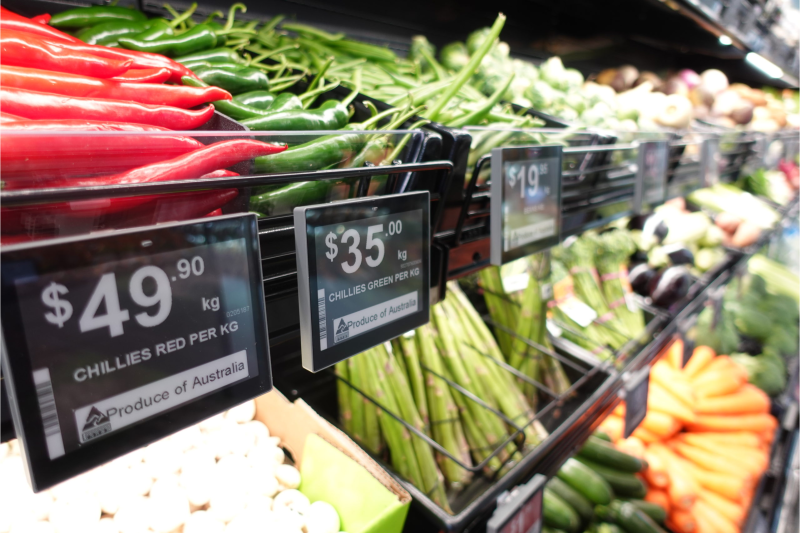
At its core, a digital price tag is just a tool. Like any technology, an electronic shelf label doesn't arrive with an agenda — it's a screen, a signal, and a piece of software. From a purely technical standpoint, it's neither predatory nor generous. It simply does what it's told.
But history has a way of filling in that blank. Consumers have watched the same story unfold across industries — streaming services that raised rates once the market was locked in, ride-share apps that invented surge pricing and called it demand-based fairness, social platforms that monetized attention and framed it as connection. New technology enters as a neutral promise and exits as a revenue mechanism.
"Whether or not businesses actually use ESLs to benefit end consumers as opposed to their own bottom line, however, still largely remains to be seen."
— Mack DeGeurin, Popular Science
The larger the company, the quieter the explanation of who actually benefits most. Shoppers are rarely told the full picture upfront — they're expected to figure it out themselves, often after the fact. That means the responsibility, as it so often does, lands on the consumer. Staying informed and staying skeptical isn't paranoia — it's the baseline now. Here's where to start:
Three Things Every Shopper Should Do Now
-
Check back — the price may change. Treat grocery pricing the way you'd treat booking a flight. A little patience or a return trip could mean real savings.
-
Watch for surge pricing on holidays and peak hours. High-demand moments are exactly when these systems are designed to capitalize. Plan ahead and shop early when you can.
-
Triple-check labels and read the fine print. Verify prices at the shelf, at the register, and on your receipt. The era of taking a price at face value is over.